Call (763)438-0774 To Schedule Your Free Inspection Today
FIRE AND SMOKE DAMAGE RESTORATION IN OTSEGO, MN AND THE NORTHWEST METRO
From Board-Up Through Final Settlement.
— Fire and Smoke Damage Services in Otsego and the Northwest Twin Cities Metro
Your Fire Damage Partner From Start To Finish
A fire damage restoration contractor handles everything involved in bringing a home back after a fire, from smoke and odor treatment in a single room to a full structural rebuild after major fire and water damage. The right contractor evaluates the whole loss, not just the burned area, and recommends the cleaning methods, materials, and rebuild approach that actually fit what happened to your home and what your policy owes you. KraftMasters restores homes and belongings using the same board-up, deodorization, and reconstruction standards trusted by the industry's leading restoration manufacturers, for both residential and commercial fire damage in the northwest Twin Cities metro.
Emergency Board-Up and Property Securing: Immediate board-up of windows, doors, and roof openings to protect a fire-damaged home from weather and unauthorized entry while the claim and restoration process gets underway.
Smoke and Soot Removal: Structural cleaning to remove soot residue and smoke film from walls, ceilings, and surfaces throughout the home, including areas beyond the immediate fire location where smoke has traveled through HVAC systems and wall cavities.
Odor Elimination: Thermal fogging and ozone treatment to break down smoke odor at the molecular level rather than masking it, applied based on the severity and spread of the smoke damage across the property.
Structural Reconstruction: Full rebuild of fire, smoke, and water damaged areas, including drywall, flooring, cabinetry, and paint, matched to the rest of the home and completed under the same insurance documentation established from the first inspection.
— Free Roof Inspection In 24 Hours
Claim Your FREE Exterior Inspection Today
— WHY IT MATTERS AND WHEN TO ACT
What a Fire Actually Leaves Behind in the Northwest Metro
A house fire causes three distinct kinds of damage that each require a different restoration approach, and homeowners are often surprised by how much of the total damage comes from something other than the flames themselves. Understanding what actually happened to the structure, and how quickly each type of damage needs to be addressed, is what separates a full recovery from a home that never quite gets back to normal.
Why the Damage Extends Well Beyond What Burned
Smoke Travels Further Than the Fire Ever Does: Smoke and soot spread through a home's HVAC system, wall cavities, and any open doorway, which means rooms with no visible fire damage can still carry smoke residue and odor that requires professional treatment. Porous materials like carpet, upholstery, and drywall absorb smoke quickly, and if that damage is not addressed at the same time as the visibly burned areas, the odor and residue continue to affect air quality and belongings long after the structural repairs are finished.
The Water Used to Fight the Fire Causes Its Own Damage: Firefighting efforts routinely leave a home soaked, and that water saturates flooring, drywall, and cabinetry the same way any other water damage event would, with the same mold risk if it is not extracted and dried properly. A fire restoration job that treats the firefighting water as an afterthought instead of a parallel drying job is one of the more common ways a fire claim ends up incomplete.
Otsego's Winters Bring Specific Fire Risks Along With the Cold: Space heater use, wood stove and fireplace operation, and chimney fires all increase during Minnesota's coldest months, when homeowners are running more heating equipment for more hours than the rest of the year. Electrical fires and kitchen fires remain common year-round, but the seasonal spike in supplemental heating equipment is a real factor in this market's fire calls specifically.
What Minnesota Insurance Actually Covers, and How the Timeline Works
Fire Damage Is Covered Under Nearly Every Standard Homeowners Policy: Fire is one of the core perils covered by virtually all standard Minnesota homeowners policies, whether the cause was electrical, a cooking accident, or a heating equipment malfunction, subject to your policy's specific terms and deductible. Where claims run into trouble is usually not whether the fire is covered, but whether the full extent of smoke, soot, and firefighting water damage gets captured in the initial scope.
Minnesota Law Sets Real Deadlines for How Insurers Must Respond: Under Minnesota Statute 72A.201, an insurer is required to acknowledge a claim within 10 business days of receiving it and to reply to further communications within that same window. After a fire, when a family may be displaced and dealing with additional living expenses, knowing these deadlines exist gives homeowners a real basis for following up if the claim process seems to be stalling.
A Documented Contents Inventory Protects Coverage That Is Easy to Under-Claim: Homeowners under stress after a fire often underestimate the personal property lost, especially items damaged by smoke rather than flame, which can still be a total loss even when they look intact. A thorough, itemized inventory completed before cleanup begins, rather than reconstructed from memory weeks later, is one of the most effective things a homeowner can do to make sure the contents portion of a claim reflects what was actually lost.
— Masters Of Our Kraft
Restoration Done Right, Every Time
1. Emergency Board-Up and Full Damage Documentation
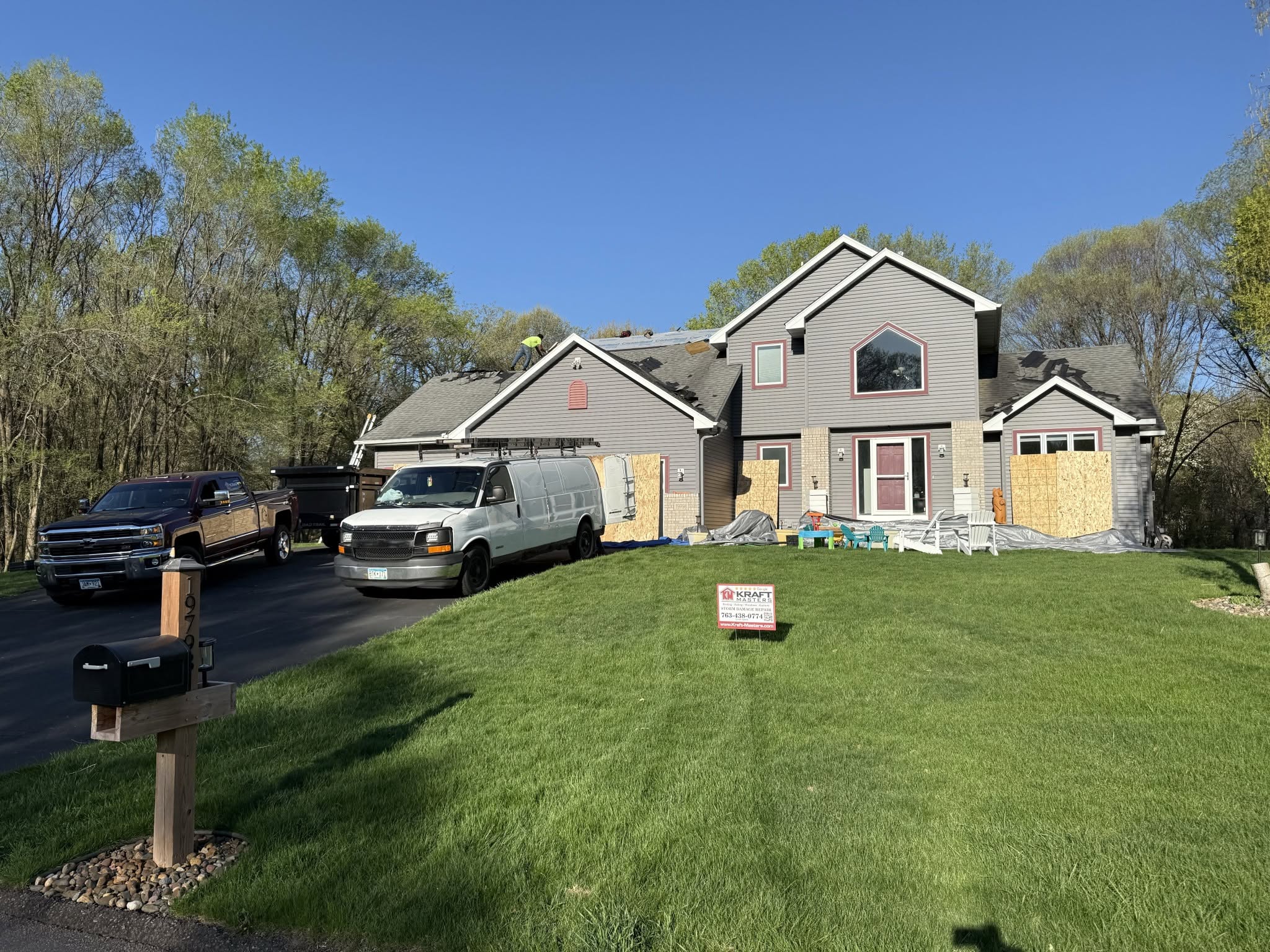
Once the fire department clears the property, we secure it against weather and unauthorized entry with board-up and temporary roof or window covering where needed, then document every area of fire, smoke, soot, and firefighting water damage, including rooms with no visible fire damage that still show smoke penetration. Adjusters frequently underestimate how far smoke travels through a home's HVAC system and wall cavities, so thorough documentation at this stage protects the claim from being scoped too narrowly.
2. Contents Inventory and Separation
We separate belongings into what is undamaged and can be stored, what is damaged but restorable through cleaning and deodorization, and what must be discarded, documenting each category with photography for the claim. Time-sensitive items like firearms, brass and copper fixtures, and electronics get immediate attention to prevent corrosion, and any salvageable contents are moved to secure, climate-controlled storage while the structural work proceeds.
3. Insurance Claim Filing and Adjuster Coordination
Once damage is documented, we help you file correctly and coordinate directly with your adjuster, including making the case for smoke and soot damage in areas the initial walkthrough may have missed. This is where nearly 30 years in this market matters most, since we have seen how Minnesota carriers actually scope fire losses and know how to document a claim that reflects the full extent of smoke migration, not just the visibly burned area.
4. Supplemental Documentation When Coverage Falls Short
When the initial scope does not reflect the full extent of documented smoke, soot, or water damage from firefighting efforts, we prepare and submit supplemental claim documentation. Most contractors consider the job done once the visible fire damage is repaired. We do not. A rebuilt structure that still carries smoke odor in the ductwork, or a contents claim that was scoped before the full inventory was complete, is not a completed job by our standard, and we stay in the process until the settlement reflects what was actually lost.
5. Deodorization, Reconstruction, and Final Walkthrough
We complete structural cleaning, soot removal, and odor elimination using methods matched to the severity of the smoke damage, then rebuild affected areas to match the rest of the home. We walk the finished job with you and confirm any withheld depreciation gets released once your carrier has the completion documentation it needs. The job is finished when your home is restored, odor-free, and your full settlement is in hand, the same standard that has governed every job here since 1999.
— FAQs
Common Questions Your Neighbors Are Asking
How much does fire damage restoration cost in Minnesota?
Costs vary enormously based on the size of the fire, how far smoke traveled through the home, and whether structural rebuilding is required. A contained kitchen fire with smoke damage limited to one or two rooms typically costs far less than a fire that spread through multiple areas of the home or compromised structural components. Smoke and odor removal alone can run from a few hundred dollars per room for light residue up to several thousand for whole-home deodorization, while a fire that requires significant structural rebuild can run well into five figures. If the fire is covered by insurance, your out-of-pocket cost is generally limited to your deductible. An accurate number requires an in-person assessment, since square footage, smoke spread, and structural damage all materially affect the final scope.
Does homeowners insurance cover fire damage in Minnesota?
Fire is one of the core perils covered under virtually every standard Minnesota homeowners policy, whether the cause was electrical, cooking-related, or heating equipment failure, subject to your deductible and specific policy terms. The more common issue is not whether fire is covered but whether the full extent of the damage gets captured in the initial claim, particularly smoke and soot damage in rooms away from where the fire occurred, and water damage left behind by firefighting efforts. An experienced restoration contractor documents both of those before cleanup begins so the claim reflects the actual scope of the loss.
How long does smoke odor take to remove after a fire?
Light smoke odor in a single room can often be treated in a day or two with deep cleaning and deodorization. Whole-home smoke odor, particularly from a larger or longer-burning fire, typically requires several days of treatment including thermal fogging or ozone application, along with cleaning or replacing HVAC components that have been carrying the odor through the duct system. Odor that is only masked rather than fully treated tends to return, especially in humid conditions, which is why the method matters as much as the timeline.
Can smoke-damaged belongings be saved, or do they need to be replaced?
It depends on the material and how much smoke exposure occurred. Many hard-surface items, including some furniture, electronics, and non-porous materials, can be professionally cleaned and restored. Porous materials like fabric, carpet, and paper goods absorb smoke more readily and are more likely to retain odor even after cleaning, which sometimes makes replacement the more practical option. A professional contents assessment, done before cleanup begins, sorts belongings into what is worth restoring and what should be documented as a loss for the claim, rather than leaving that decision to guesswork after the fact.
What should I do immediately after a house fire, before the restoration company arrives?
Contact your insurance company as soon as it is safe to do so, and avoid entering the structure until the fire department confirms it is safe. Do not attempt to clean soot yourself, since improper cleaning can grind soot deeper into surfaces and make professional restoration more difficult. If it is safe to do so, protect the property from further exposure by securing broken windows or doors, and avoid discarding any damaged items until they have been documented for the insurance claim. A same-day board-up and inspection from a restoration contractor is the fastest way to stop additional damage while the claims process gets underway.
— Going The Extra Mile Since 1999
Impacted By Storm Damage?
You deserve a contractor who's willing to go the distance. The insurance claims process is a marathon, not a sprint. Call KraftMasters today to schedule your free inspection, or click below to get get started instantly!
— Service Areas
Proudly Serving Our Otsego Community Since 1999

Trusted By Thousands Of Homeowners Across The Twin Cities Since 1999


MN License #BC646808
Copyright 2026. KraftMasters Restoration LLC. All rights reserved.