Call (763)438-0774 To Schedule Your Free Inspection Today

Gutter Installation & Repair In The NW Twin Cities Metro
Strong Homes Start With Secure Foundations
— GUTTER Services In Otsego MN
Your Home's First Line Of Defense Against Water
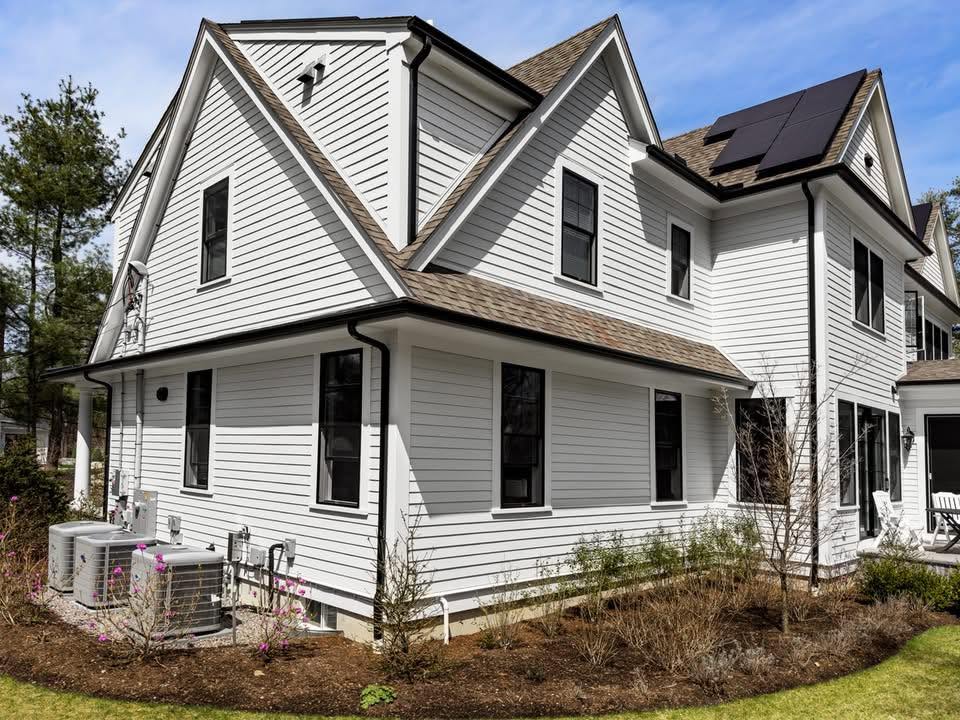
Seamless Aluminum Gutters: Custom cut on site to your home's exact dimensions, eliminating the seams and joints that are the most common failure point in sectional systems.
Copper and Steel Gutters: Premium materials offering greater strength and longevity for homes facing heavier snow loads or wanting a distinct architectural look.
Downspout Installation and Sizing: Properly sized and placed downspouts that move water away from the foundation instead of pooling at the base of the home.
Gutter Guards: Covers installed over the gutter channel to reduce leaf and debris buildup, particularly valuable on heavily treed lots.
Gutter Repair: Targeted fixes for sagging sections, pulled fasteners, or isolated damage when the rest of the system is in sound condition.
Storm Damage Gutter Inspection: A documented assessment of hail dents, separated seams, and pulled brackets across the full system, formatted to support an insurance claim.
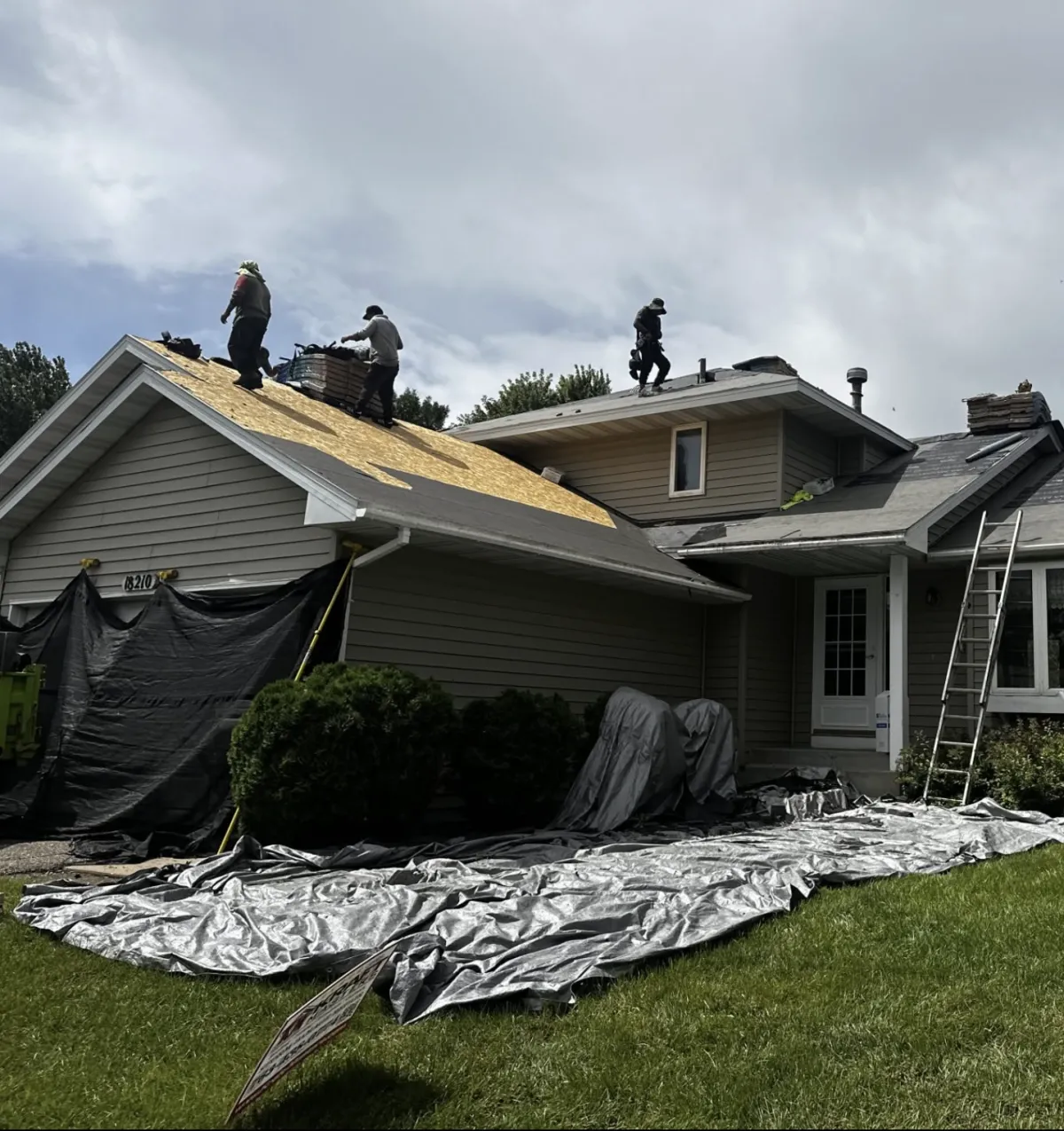
— Free Roof Inspection In 24 Hours
Claim Your FREE Exterior Inspection Today
— WHY IT MATTERS AND WHEN TO ACT
What Your Gutters Are Actually Up Against in the Northwest Metro
Gutters are the part of a home's exterior that get the least attention until something goes visibly wrong, but the system they are part of is doing constant work managing where water goes once it leaves the roof. In Minnesota, that job gets harder in winter than in almost any other climate, which changes both why gutters matter here and when it makes sense to deal with them.
Why a Properly Sized Gutter System Matters More Than It Looks Like It Should
Gutters Are the First Line of Defense Against Ice Dams: An ice dam forms when warm air escaping an under insulated attic melts snow on the upper roof, which then runs down and refreezes at the cold eave, often right where the gutter sits. Once that ice buildup blocks a gutter, meltwater has nowhere to go but back up under the shingles, and in heavy snow winters, ice dams cause more roof related insurance claims in Minnesota than any other single issue. A gutter system that is properly sized, sloped, and clear plays a direct role in how much of that meltwater actually moves away from the roof edge instead of pooling against it.
Undersized or Failing Gutters Put Your Foundation at Risk: Water that does not get carried away from the home ends up pooling at the foundation line instead, where repeated freeze and thaw cycles can work cracks into the concrete over time. Downspouts that are too small, too few, or simply pointed at the base of the house instead of away from it are a common and largely invisible cause of foundation issues that show up years later.
Seamless Systems Solve the Most Common Failure Point in Older Gutters: Sectional gutters rely on joints and seams between pieces, and those connection points are where most leaks, separations, and sagging eventually start. A seamless system is custom cut on site to the exact dimensions of your roofline, removing those failure points entirely, which is a meaningful part of why seamless systems are commonly rated for 40 years or more of service life in this climate.
When It Makes Sense to Schedule an Inspection or Start a Claim
Storm Damaged Gutters Are Covered Under the Same Claim as Your Roof: Minnesota law requires homeowner policies to cover hail and wind damage, and that coverage extends to all exterior components affected by the storm, not just the roof itself. Dented, torn loose, or separated gutters from a hail or wind event are generally covered the same way roof damage is, but homeowners who focus only on the roof during an inspection often miss gutter damage that belongs in the same claim.
Hail Dents on Soft Metals Are Evidence Adjusters Look For: Gutters, downspouts, and other soft metals show hail impact patterns clearly, which is part of why an experienced inspector checks them closely even when the visible concern is roof damage. Documenting that impact pattern close to the storm date, before weathering softens the marks, strengthens the overall claim rather than leaving it to be reconstructed later from memory.
Fall, Before the First Hard Freeze, Is the Ideal Window to Address Gutter Issues: Getting a gutter system into good working condition before winter sets in matters in this climate specifically because of how ice dams form. A gutter that is sagging, undersized, or already damaged heading into the season is starting at a disadvantage exactly when the system is doing its most important work.
— Masters Of Our Kraft
Restoration Done Right, Every Time
1. Full Gutter System Inspection and Damage Documentation
We inspect the full gutter system, not just the section that looks obviously damaged. Hail dents, separated seams, pulled brackets, and downspout condition all get documented with photography specific enough to support a claim if storm damage is involved.
2. Insurance Claim Filing and Adjuster Coordination
When gutter damage is storm related, we make sure it gets included in the same claim as any roof damage rather than treated as a separate, easily overlooked item. This is where nearly 30 years of doing this work in Minnesota shows up, since we know exactly where adjusters expect to see soft metal impact evidence and we make sure it gets documented and presented clearly.
3. Supplemental Documentation When Coverage Falls Short
When the initial scope does not reflect the full extent of documented gutter damage, we prepare and submit supplemental claim documentation on your behalf. Most contractors treat gutters as an afterthought to the roof. We do not. A completed roof replacement that left gutter damage unaddressed and unpaid is not a completed job by our standard.
4. Custom Measurement and Seamless Installation
Gutters are measured and custom cut on site to your home's exact rooflines, with downspouts sized and placed based on roof area rather than guesswork, so water actually moves away from the foundation instead of pooling against it. Every material and sizing decision we make is held to the same standard as everything else we install: would we put this on the home we live in, sized the way we would actually want it sized.
5. Final Walkthrough and Claim Closeout
We walk the finished installation with you and confirm any withheld depreciation gets released once your carrier has the documentation it needs. The job is finished when your gutters are properly installed and your full settlement is in hand, the same standard that has governed every job here since 1999.
— FAQs
Common Questions Your Neighbors Are Asking
How much does gutter installation cost in Otsego, MN?
Gutter installation in the Otsego area generally runs around 4 dollars per linear foot, with most full home projects landing somewhere between 1,500 and 4,000 dollars depending on roof size, number of stories, and whether you choose sectional or seamless aluminum, copper, or steel. Seamless systems typically cost more upfront than sectional gutters but last longer because they eliminate the seams that cause most leaks and sagging. If gutter damage is storm related and covered by insurance, your out of pocket cost is typically limited to your deductible.
Does homeowners insurance cover gutter damage in Minnesota?
Standard Minnesota homeowner policies are required by state law to cover hail and wind damage, and that coverage extends to gutters as part of the home's exterior, the same way it covers siding and roofing. Sudden, accidental damage like hail dents, wind tearing a section loose, or a falling branch is generally covered. Damage from gradual wear, rust, or lack of maintenance is typically not covered, which is why documenting the connection to a specific storm event matters.
Are ice dams covered by homeowners insurance in Minnesota?
It depends on the specific cause and your policy language. Damage resulting from an ice dam, such as water backing up under shingles and into the home, is often covered as ice related damage under a standard policy, but removal of the ice dam itself before damage occurs is sometimes excluded. Properly functioning, properly sized gutters reduce how often ice dams form in the first place, which is part of why a sound gutter system is worth addressing before winter rather than treating it purely as a claims issue after the fact.
What is the benefit of seamless gutters over sectional gutters?
Sectional gutters are assembled from pre-cut pieces joined together on site, and those joints are where most leaks, separations, and sagging eventually develop. Seamless gutters are custom cut to your home's exact dimensions on the day of installation, removing those connection points almost entirely along the run of the gutter. That difference is a meaningful part of why seamless systems are commonly rated for 40 years or more of service life in a climate like Minnesota's.
How do I know if my gutters need to be repaired or fully replaced?
Isolated issues like a sagging section, a pulled bracket, or a single damaged length are generally appropriate for repair if the rest of the system is sound and properly sized for your roof. Gutters that are undersized for your roof area, showing widespread separation at multiple seams, or original to a home built decades ago are usually better addressed with full replacement, since patching an undersized or aging system does not fix the underlying capacity problem.
— Going The Extra Mile Since 1999
Impacted By Storm Damage?
You deserve a contractor who's willing to go the distance. The insurance claims process is a marathon, not a sprint. Call KraftMasters today to schedule your free inspection, or click below to get get started instantly!
— Service Areas
Proudly Serving Our Otsego Community Since 1999

Trusted By Thousands Of Homeowners Across The Twin Cities Since 1999


MN License #BC646808
Copyright 2026. KraftMasters Restoration LLC. All rights reserved.