Call (763)438-0774 To Schedule Your Free Inspection Today
Have You Had A Prior Insurance Claim Denied?
What Happens Next?
— What happens when your claim is denied
Denied Storm Damage Claims Are Just The beginning
The Minnesota Department of Commerce reported an 18% increase in homeowners insurance complaints since 2020, with coverage denials and unexpectedly high out of pocket costs after wind and hail damage among the most common reasons homeowners are filing. Some of those denials are legitimate. A roof that has aged past the point of coverage, damage that clearly predates the storm in question, or a policy with a cosmetic damage exclusion that the homeowner did not know they had, these are real situations where a denial reflects the actual policy terms. But a significant number of denials in Minnesota are incomplete, inaccurate, or based on an adjuster inspection that missed documented damage. Those denials are worth challenging, and the process for doing so is more straightforward than most homeowners realize.
— Free Roof Inspection In 24 Hours
Claim Your FREE Exterior Inspection Today
— What Your Neighbors Are Noticing
Why the Northwest Metro Has a Longer Storm Season Than You Might Realize
Understanding why your claim was denied is the prerequisite to knowing whether it is worth challenging. Denial letters often cite policy language without explaining it in plain terms, which leaves homeowners unsure whether the denial reflects a real exclusion or an assessments that missed something. These are the most common denial categories in the Minnesota market and what each one actually means.
Top Denial Reasons That Might Warrant A Re-Inspection
Wear and Tear or Pre-Existing Damage: This is the most common denial reason in Minnesota and also the one most frequently reversed on reinspection. An adjuster attributing damage to general wear rather than a specific storm event is sometimes correct and sometimes a misread of what granule loss from hail actually looks like versus natural shingle aging. The two have different physical signatures that a contractor with hail inspection experience can document specifically. A second inspection by a contractor who knows what storm impact looks like under close examination can produce documentation specific enough to support a reinspection request.
Cosmetic Damage Exclusion: Some Minnesota policies include an endorsement that excludes coverage for damage deemed cosmetic, meaning it affects appearance but not the roof or siding's ability to keep water out. This exclusion has become more common as carriers have updated policy language in response to claims volume. In 2025, a Minnesota court ruled that hail impacts that accelerate roof deterioration qualify as functional damage even when they appear cosmetic on initial inspection. If your denial cites cosmetic damage, understanding whether your specific policy contains this endorsement and whether the damage actually meets that definition is worth examining carefully before accepting the decision.
Insufficient Damage to Warrant Replacement: Adjusters typically use an industry threshold of 8 or more confirmed hail hits per 10 foot by 10 foot test square on at least 2 of 4 roof slopes to recommend full replacement. If an adjuster finds fewer hits than that threshold, or only on one slope, the claim may come back as repair only or denied outright. Whether that assessment is accurate depends on how thoroughly the roof was walked and whether the soft metals and accessory components were checked. A contractor present at the original inspection may have caught what an adjuster on a compressed schedule missed.
Understanding The Next Steps In The Appeals Process
Request the Denial in Writing and Understand the Specific Basis: Your first step after receiving any denial is to get the carrier's written explanation citing the specific policy language they are relying on. A verbal or vague denial letter is not enough information to know what you are dealing with. Once you have that specific basis, you can evaluate whether the denial accurately applies to what your policy actually says and what the inspection actually found.
A Second Opinion Inspection Creates New Documentation: A reinspection request submitted with additional photographic documentation and a contractor's written assessment carries significantly more weight than a phone call disagreeing with the adjuster's findings. KraftMasters will perform a second opinion inspection, compile updated documentation, and help you understand whether the findings support a reinspection request and what that request should specifically say.
Reinspection with a Different Adjuster Is a Standard Option: Requesting a reinspection by a different adjuster is a legitimate and commonly used step in the Minnesota claims process. Carriers can decline a reinspection request, but many do not, particularly when new documentation is submitted alongside the request. KraftMasters will be present at any reinspection to walk the property with the adjuster and make sure every documented area of damage is seen and addressed.
Appraisal Is the Next Step When Reinspection Does Not Resolve the Dispute: Minnesota homeowner policies include an appraisal provision under Minnesota Statute 65A.26 that allows both parties to hire independent appraisers when they cannot agree on the scope or value of covered damage. The two appraisers select a neutral umpire, and the three together form a panel that conducts a final inspection and issues a binding award. This process typically takes 3 to 12 weeks and is a formal, legally recognized mechanism for resolving disputes without litigation. If your claim reaches this stage, KraftMasters will be present at the panel inspection.
The Minnesota Department of Commerce and Legal Options: If you believe your claim has been wrongfully denied or that your carrier has acted in bad faith, you have the right to file a complaint with the Minnesota Department of Commerce Insurance Division. Minnesota's Bad Faith Statute, section 604.18, allows policyholders to pursue additional remedies in cases involving unreasonable denials. For denials involving significant dollar amounts or clear policy misapplication, consulting a licensed public adjuster or an insurance attorney is worth considering. These are resources outside of what KraftMasters can provide, but we can point you in the right direction.
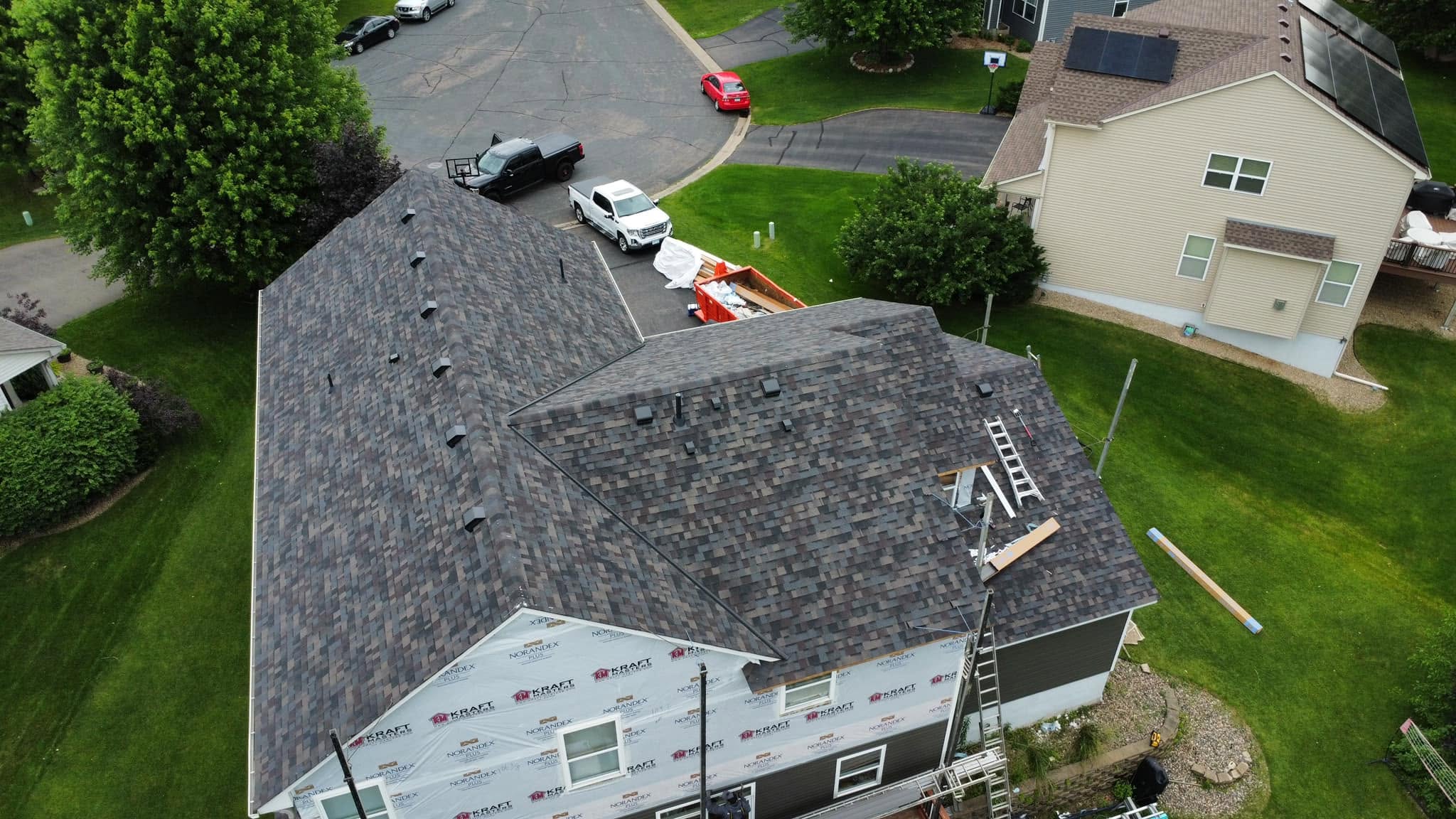
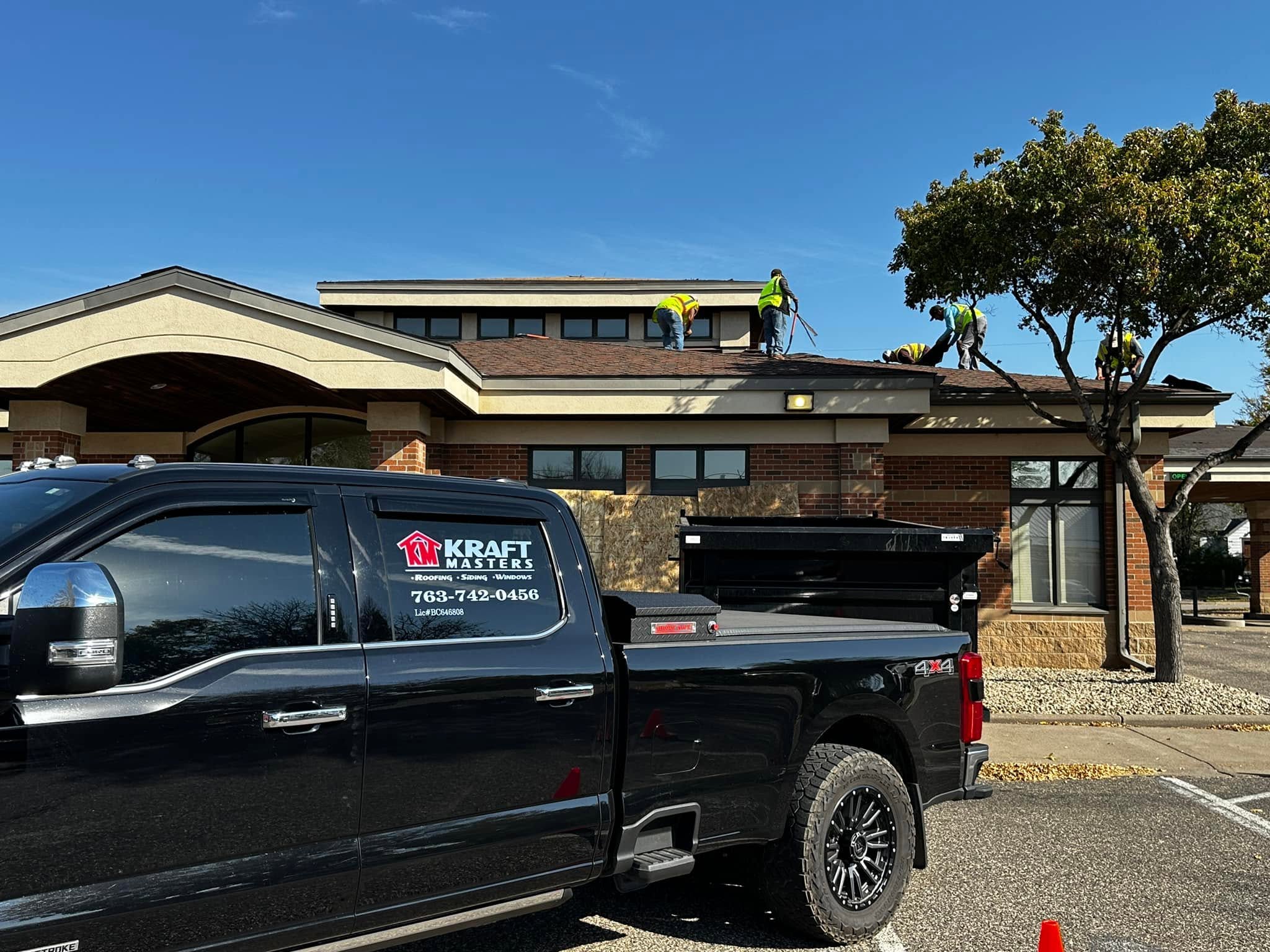
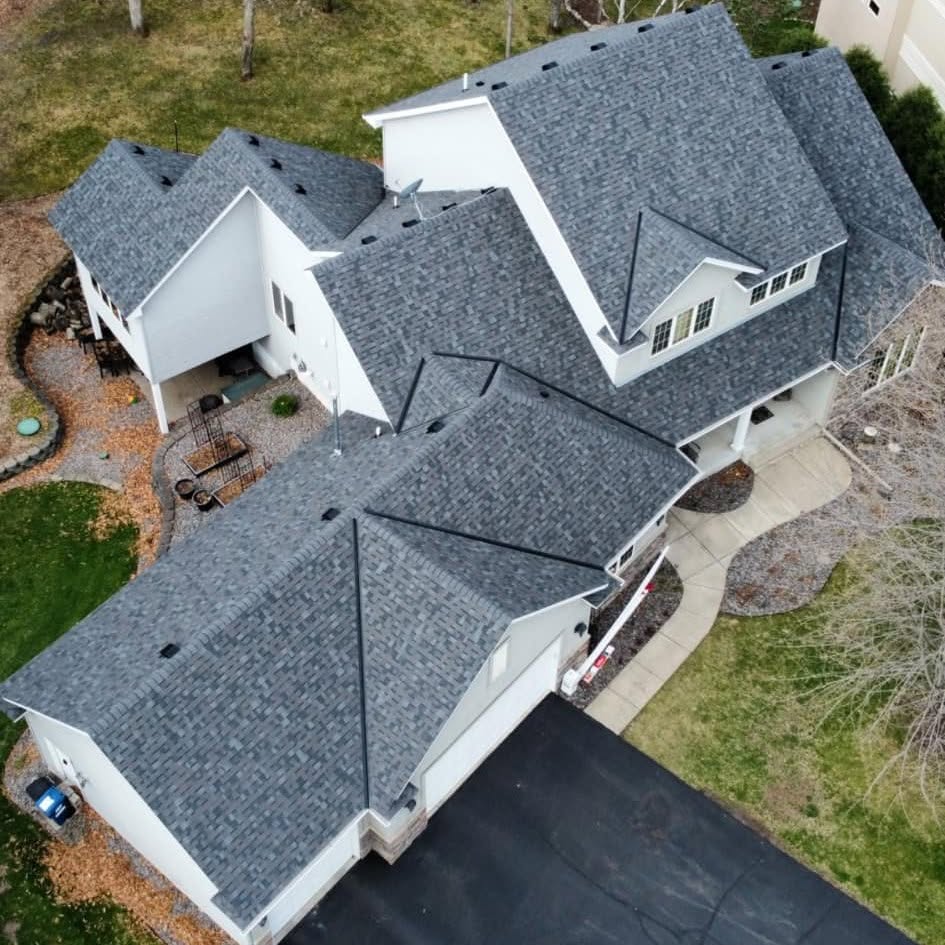
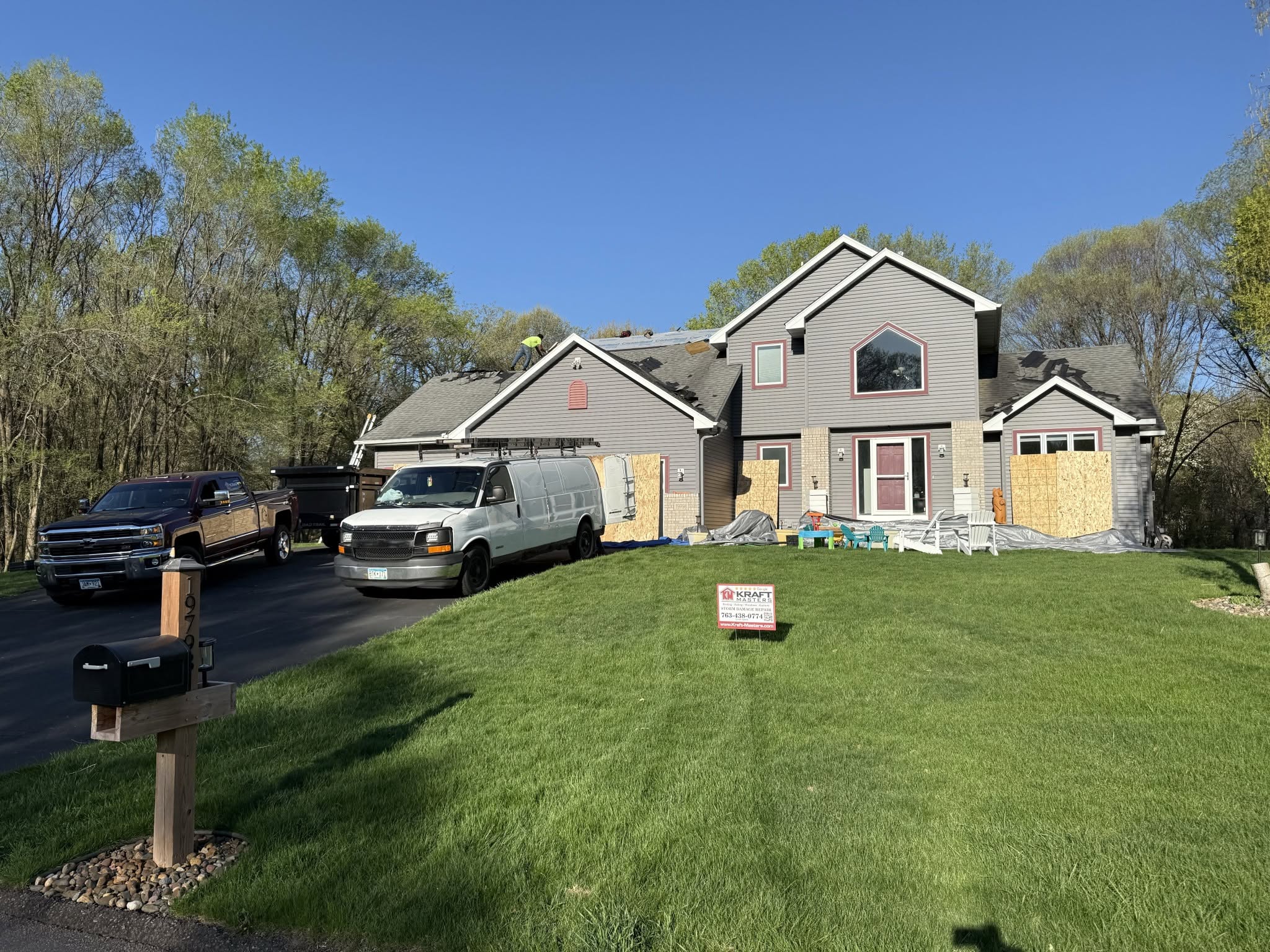
— Masters Of Our Kraft
What To Expect Following A Denied Claim
1. Second Opinion Inspection
We perform a complete fresh inspection of your property, independent of what the original adjuster documented. Every area of potential storm damage gets photographed and assessed, including soft metals, flashing, siding, gutters, and windows, not just the roof surface. The result is an updated KraftMasters Damage Report that reflects what the property shows today, tied to specific photography and documentation.
2. Review Denial Letter
We sit down with you and go through the denial letter and the specific policy language the carrier cited. We are not attorneys and cannot give legal advice, but we can tell you whether what the adjuster documented matches what we found on the property, and whether the damage we documented looks like storm impact or like something the carrier's denial reasoning would apply to. That conversation gives you a clear picture of whether a reinspection request is likely to be productive before you spend time pursuing it.
3. Supplemental Documentation & Re-Inspection Request Support
If the second opinion inspection produces findings that differ meaningfully from the original adjuster assessment, we prepare supplemental documentation and help you structure a reinspection request that gives the carrier specific evidence to respond to rather than a general disagreement. Nearly 30 years of doing this work in Minnesota means we know what documentation actually moves a reinspection request forward and what gets set aside.
4. Present At Re-Inspection Appointment
If the carrier agrees to a reinspection, your KraftMasters representative will be there. We walk every surface with the new adjuster, point out every documented area of damage, and make sure the inspection is thorough. The difference between a reinspection with a knowledgeable contractor present and one without is not a small one, and it is the same standard of representation we apply at every adjuster meeting regardless of whether the claim is being filed for the first time or challenged after a denial.
5. Specific Case-by-Case Next Steps
If reinspection does not resolve the dispute, we walk you through the appraisal process in detail, explain what it involves, what it is likely to cost in time and logistics, and give you an honest assessment of whether the documentation we have supports going that route. We will not encourage you to pursue an appraisal when the evidence does not support it. We will tell you directly where we think the process stands and what your realistic options are, including when it makes sense to involve a public adjuster or consult an attorney.
— FAQs
Common Questions Your Neighbors Are Asking
Can I appeal a denied insurance claim on my roof?
Yes. A denial is not a final decision in most cases. Your options include requesting a written explanation of the specific policy basis for the denial, submitting supplemental damage documentation with a reinspection request, invoking the appraisal clause in your policy under Minnesota Statute 65A.26 if reinspection does not resolve the dispute, and filing a complaint with the Minnesota Department of Commerce Insurance Division if you believe the denial was unreasonable. The right first step is understanding the specific reason for the denial, since different denial reasons point to different response strategies.
What is the most common reason storm damage claims get denied in Minnesota?
Wear and tear or pre-existing damage is the most commonly cited basis for denial in the Minnesota market, and it is also the reason most frequently challenged and reversed on reinspection. Adjusters distinguishing between hail impact and natural shingle aging are making a judgment call under time pressure, and that call is sometimes wrong. A second opinion inspection from a contractor who knows the physical signatures of storm damage versus general aging can produce documentation specific enough to support a credible reinspection request.
How long do I have to appeal a denied insurance claim?
Most Minnesota homeowner policies include a contractual suit limitation clause that gives policyholders one year from the date of loss, not the date of denial, to pursue legal action. That one-year window overrides the standard six-year contract statute of limitations under Minnesota law. This means the clock started running when the storm happened, not when you received your denial letter, and waiting significantly to respond to a denial can close off options that were available earlier in the process.
What does a cosmetic damage exclusion mean?
A cosmetic damage exclusion is a policy endorsement that removes coverage for damage that affects appearance but not the structural function of the roof or siding. Under this exclusion, hail dents on a metal roof or impact marks on shingles that do not cause leaking may be denied as cosmetic. In 2025, a Minnesota court ruled that hail impacts which accelerate roof deterioration qualify as functional damage even when they appear cosmetic on initial inspection. If your denial cites a cosmetic exclusion, understanding exactly how your policy defines cosmetic versus functional damage and whether the damage you have matches the functional threshold is worth examining before accepting the decision.
What is the appraisal process and when might it apply to my home?
The appraisal process is a formal dispute resolution mechanism authorized under Minnesota Statute 65A.26 that applies when a homeowner and their insurance carrier cannot agree on the scope or value of covered damage. Both parties hire independent appraisers, who then select a neutral umpire. The three together form a panel that conducts a final inspection and issues a binding award. The process typically takes 3 to 12 weeks and is an alternative to litigation rather than a step within it. It applies after the reinspection and supplemental process has been exhausted and the parties still cannot reach agreement.
— Going The Extra Mile Since 1999
Impacted By Storm Damage?
You deserve a contractor who's willing to go the distance. The insurance claims process is a marathon, not a sprint. Call KraftMasters today to schedule your free inspection, or click below to get get started instantly!
— Service Areas
Proudly Serving Our Otsego Community Since 1999

Trusted By Thousands Of Homeowners Across The Twin Cities Since 1999


MN License #BC646808
Copyright 2026. KraftMasters Restoration LLC. All rights reserved.