Call (763)438-0774 To Schedule Your Free Inspection Today

Window Replacement in Otsego, MN and the Northwest Twin Cities Metro
For Picture Perfect Views From Every Room
— Minnesota's Top-Choice For Window Services
Clearer Views Start With The Right Contractor
Double Hung Windows: The most common residential window style, offering easy operation and cleaning, available in a wide range of energy efficient glass packages.
Casement Windows: Crank operated windows that seal tightly against the frame when closed, often delivering better energy efficiency than double hung styles.
Impact Resistant Windows: Laminated glass and reinforced framing designed to hold together under hail and wind debris impact rather than shattering outward.
Picture and Bay Windows: Larger format windows built for natural light and views, requiring precise sizing and structural framing during installation.
Window Repair: Targeted fixes for fogged glass, failed seals, or damaged hardware when full replacement is not yet
Storm Damage Window Inspection: A documented assessment of cracked glass, frame damage, and seal failure across all windows, formatted to support an insurance claim.
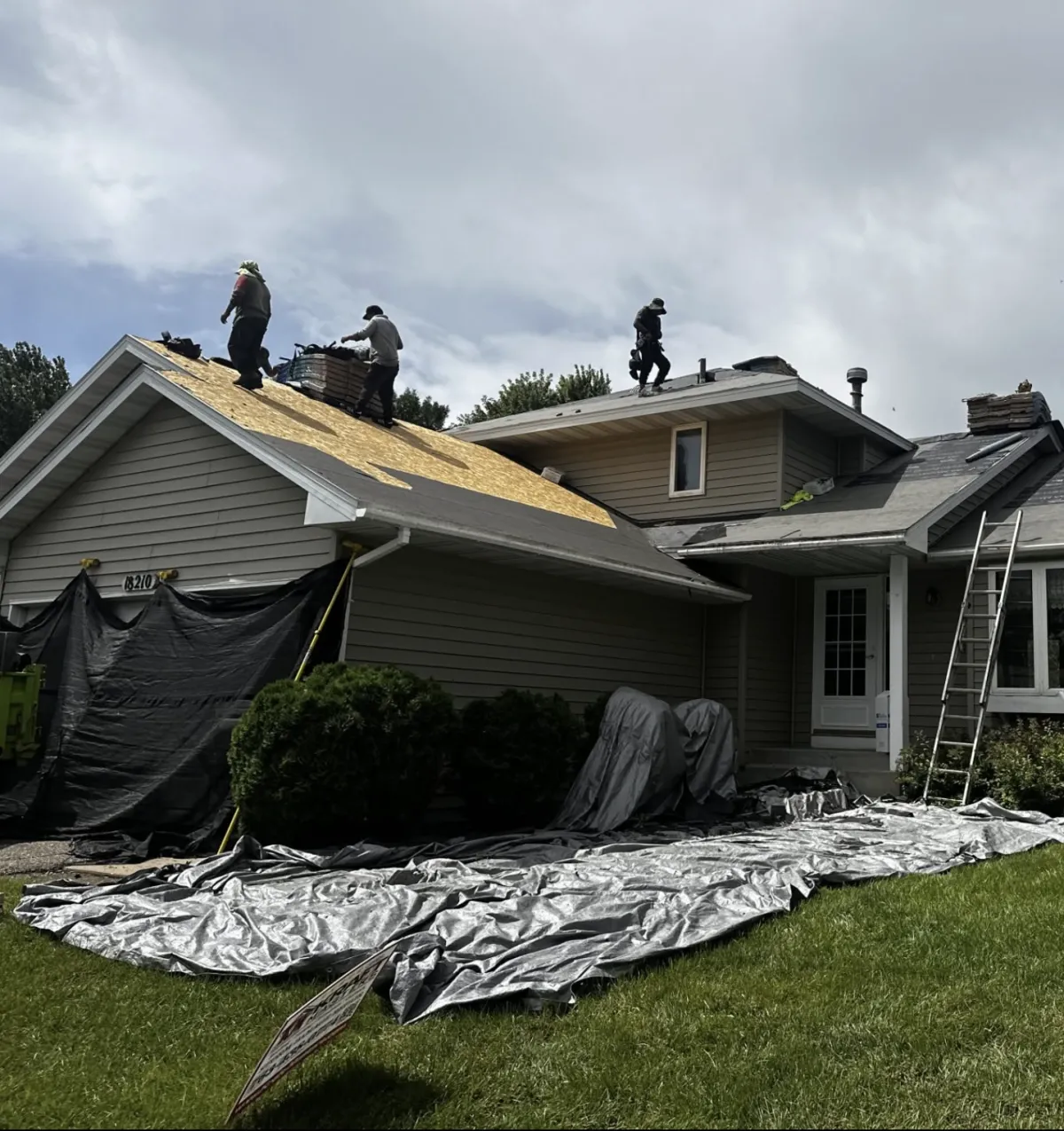
— Free Roof Inspection In 24 Hours
Claim Your FREE Exterior Inspection Today
— WHY IT MATTERS AND WHEN TO ACT
What Your Windows Are Actually Up Against in the Northwest Metro
Windows do two jobs at once in a Minnesota home. They hold back the weather, and they are one of the biggest factors in how hard your furnace and air conditioner have to work to keep up. How well a window is performing at both of those jobs is not always obvious from looking at it, which is part of why timing decisions around windows can be confusing for homeowners.
Why Window Condition Affects More Than the View
Old or Failing Windows Are a Direct Drain on Your Energy Bill: The U.S. Department of Energy estimates that replacing single pane windows with ENERGY STAR rated models can save a household around 450 dollars a year on energy costs, and the savings come from reducing the heat transfer that older glass and frames simply cannot stop. Low E glass coatings reflect infrared light to keep heat in during winter and out during summer, and argon or krypton gas fills between panes insulate significantly better than plain air.
Most Otsego Homes Were Built Around 1997, Which Puts a Lot of Original Windows Near End of Life: Standard residential windows have a useful lifespan, and a window installed when a home was built in the late 1990s is now old enough that seal failure, fogging between panes, and drafts are common rather than unusual. A home built in that era with its original windows is a strong candidate for a meaningful energy efficiency gain from replacement, independent of any storm damage.
Installation Quality Matters as Much as the Window Itself: A window is only as good as how it is set into the wall. Proper installation means removing the entire frame, not just the sash, fully insulating the gap around the new unit, sealing the opening with a vapor barrier, and weatherproofing the exterior seams with the right caulk. A premium window installed poorly will draft, fog, and underperform an inexpensive window installed correctly.
When It Makes Sense to Schedule an Inspection or Start a Claim
Minnesota Insurers Distinguish Between Cosmetic and Functional Hail Damage: Cracked glass and compromised seals from hail are treated as functional damage, meaning damage that affects the window's ability to keep out wind and water, and that category is generally covered under a standard Minnesota homeowner policy. Minor cosmetic marks that do not affect performance are sometimes excluded depending on the policy. Getting a documented inspection after a storm event, even when the damage looks minor, is what establishes which category your specific damage falls into.
Documenting Damage Promptly After a Storm Strengthens the Claim: Cracked panes, fogging between glass that starts after a storm, and frame damage from wind driven debris are all worth photographing and documenting close to the event itself, since a claim tied clearly to a specific storm date is generally stronger than one filed weeks or months later with no clear timeline.
Scheduling Around Minnesota's Installation Season Avoids Lead Time Surprises: Window replacement can be done through the winter, but material lead times and crew scheduling tend to stretch during the busiest stretch of the year, generally late spring through fall, when both storm related work and planned energy efficiency upgrades are competing for the same installers. Homeowners who are not dealing with an active leak or break generally get better scheduling flexibility by booking outside that peak window.
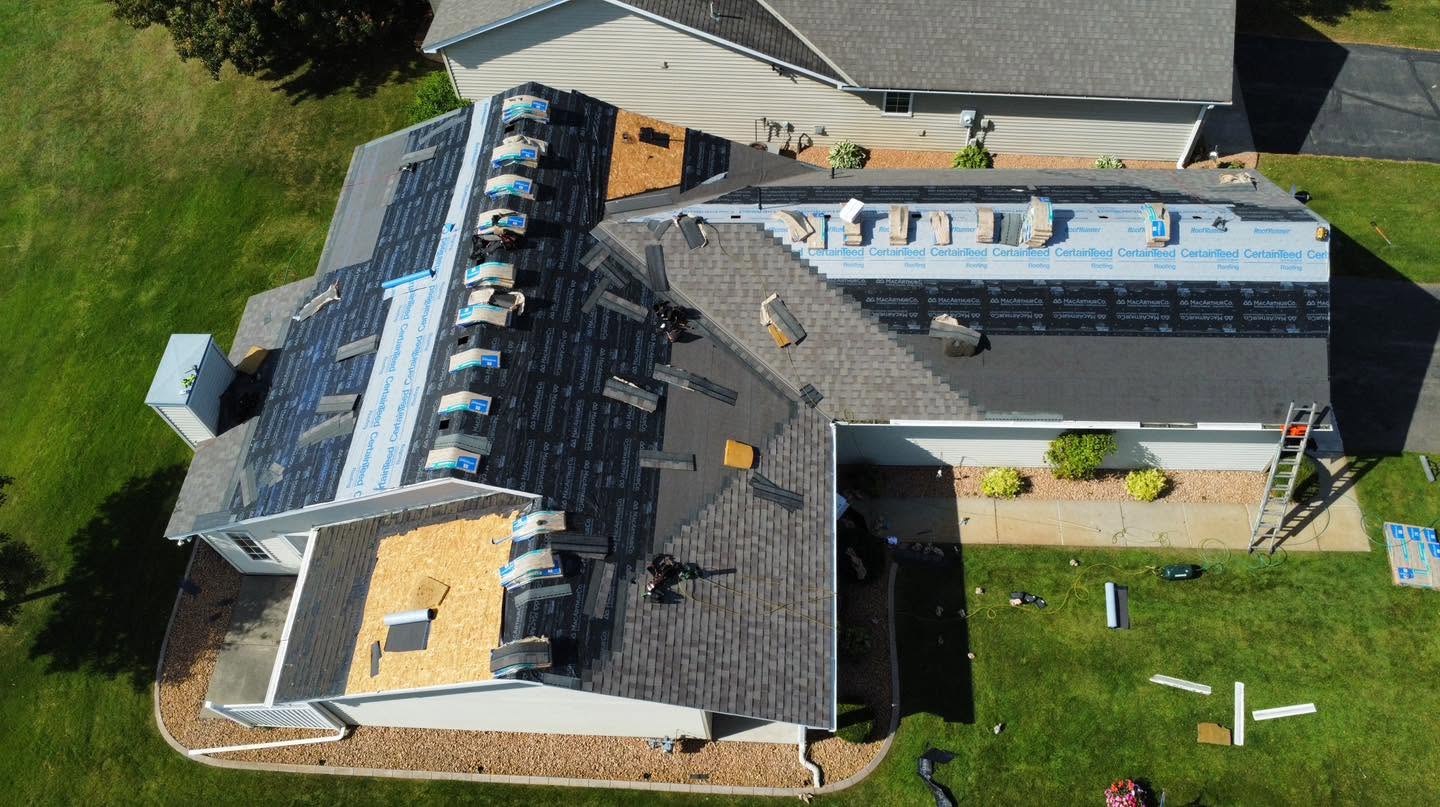
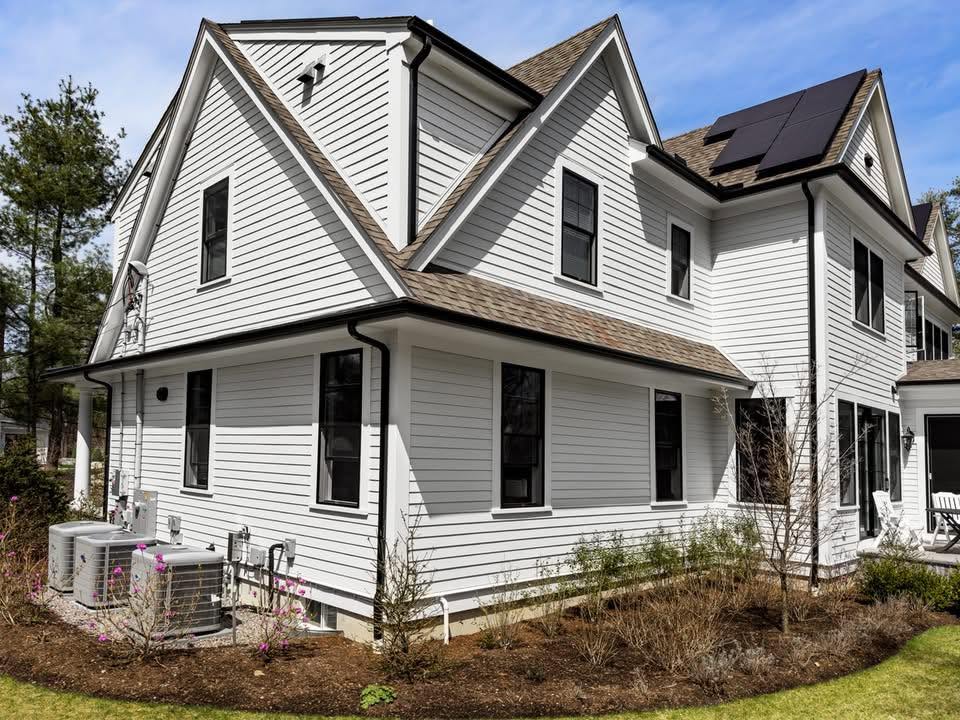
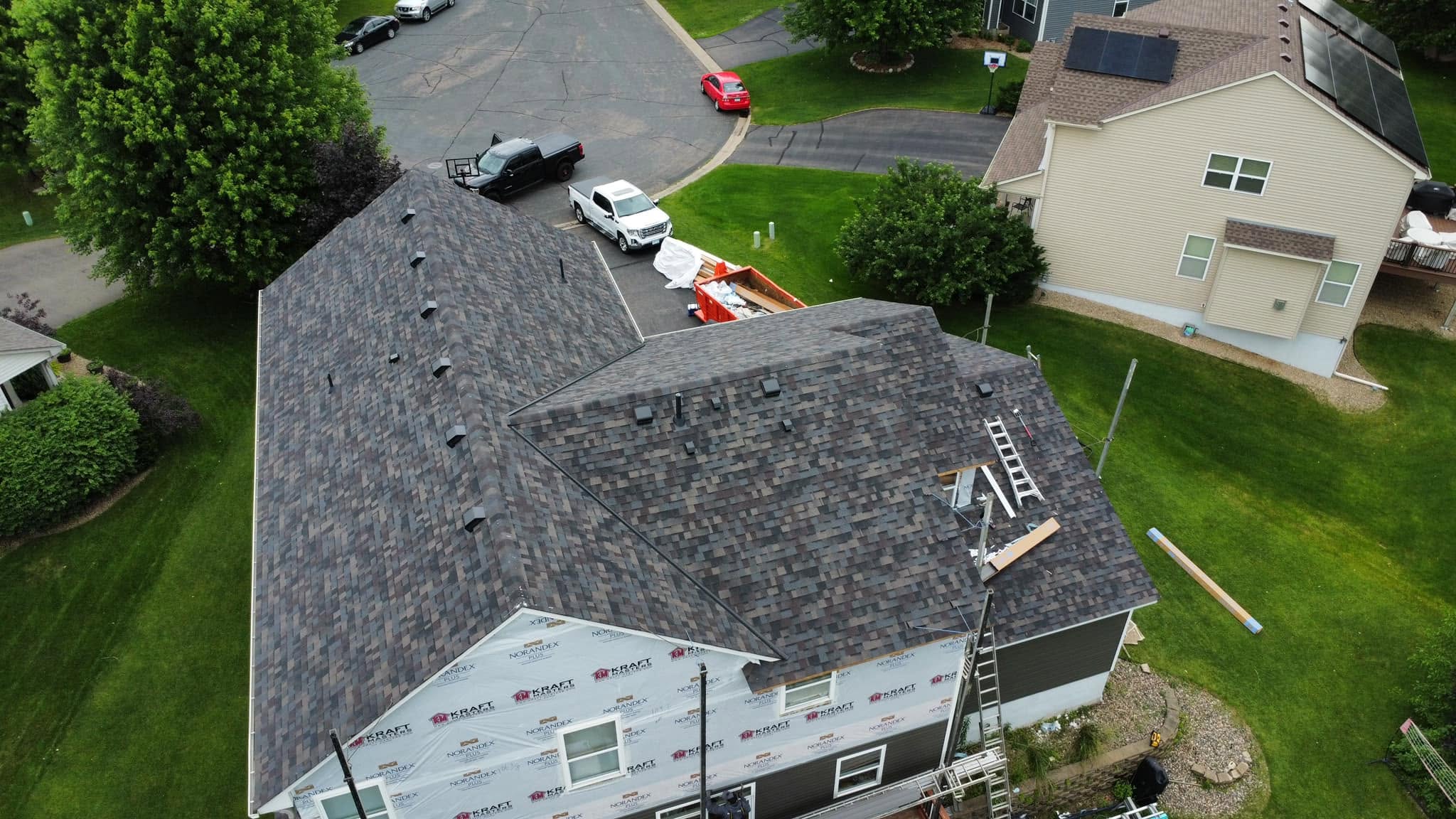
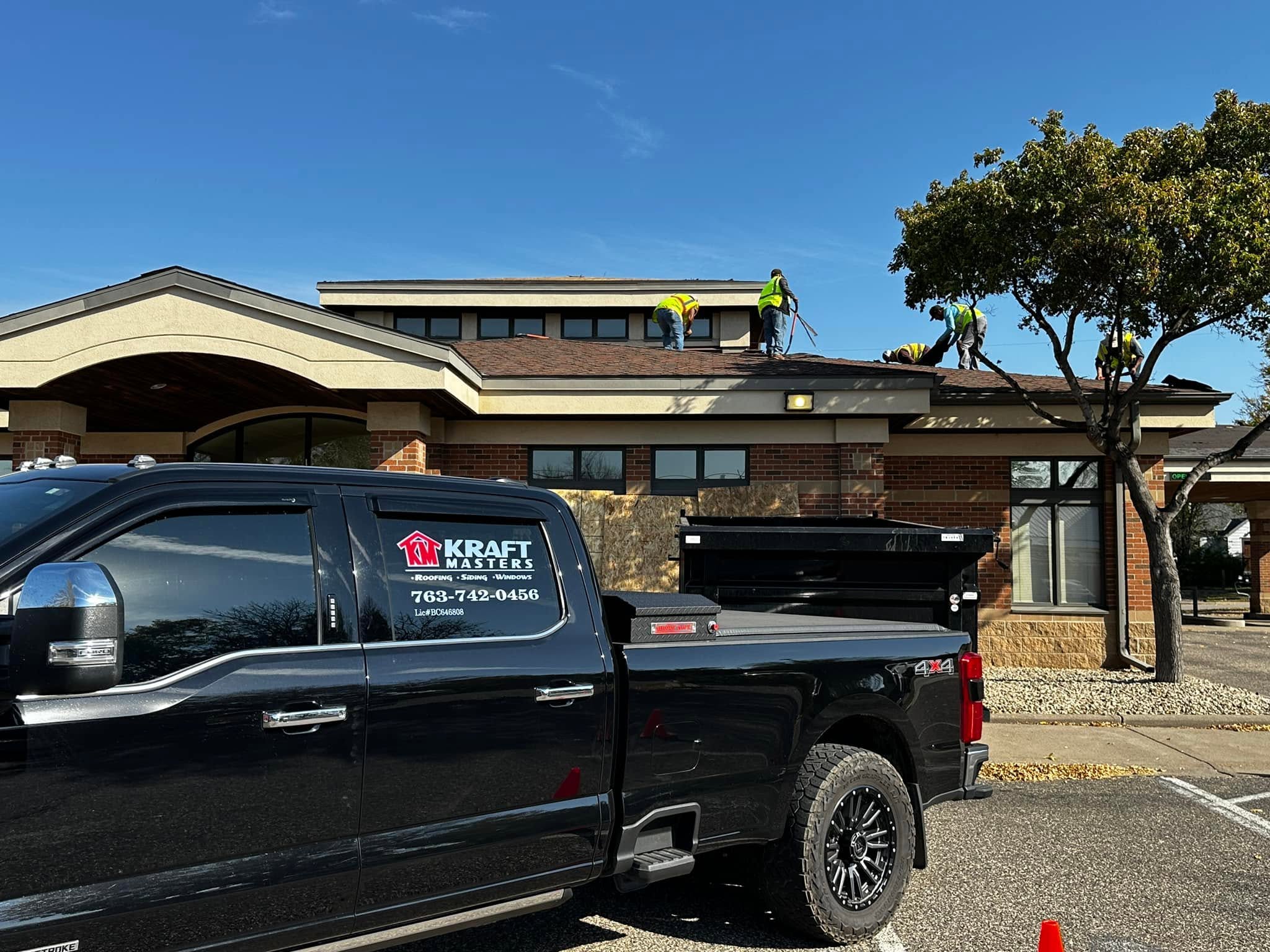
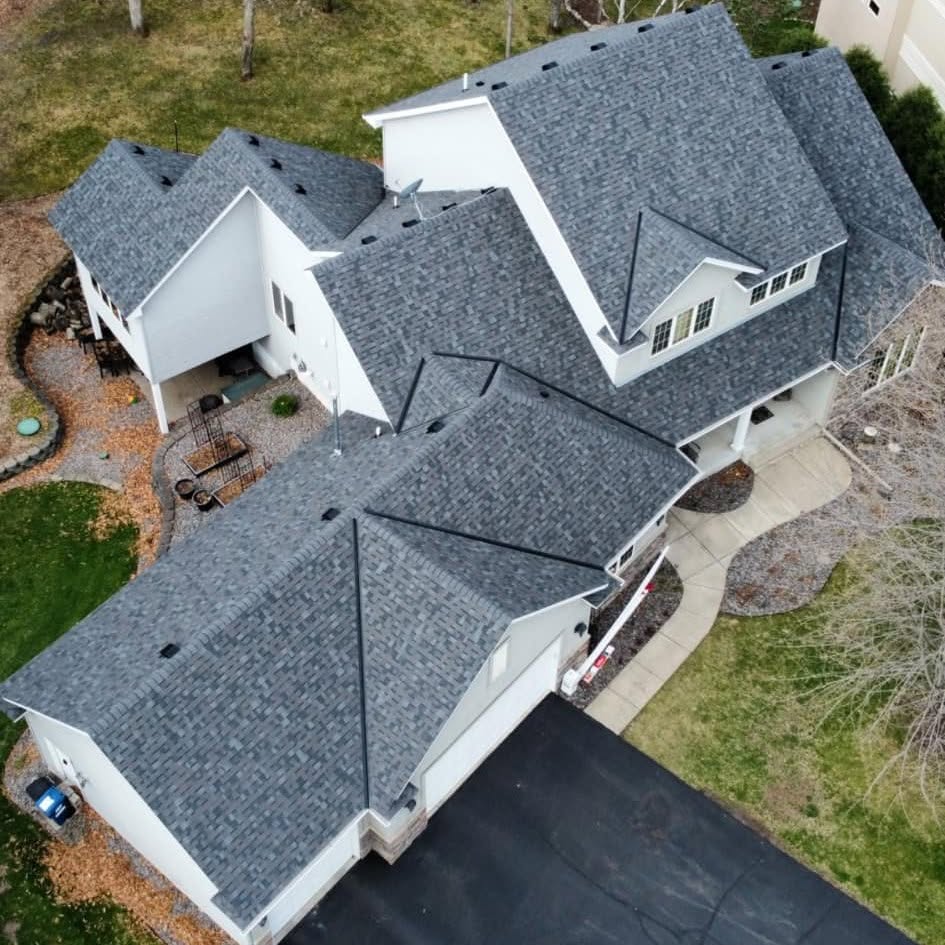
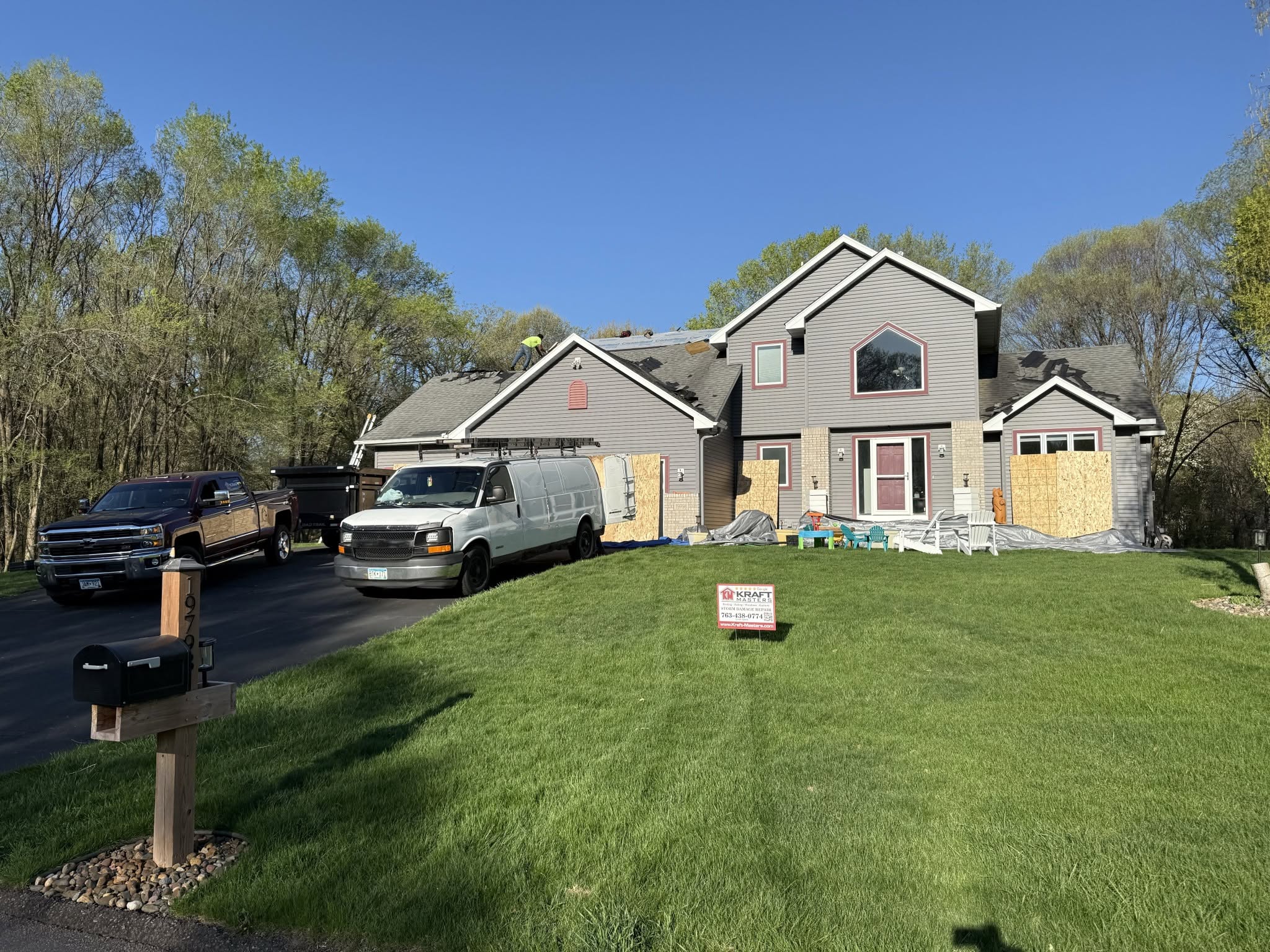
— Masters Of Our Kraft
Restoration Done Right, Every Time
1. Full Window Inspection and Damage Documentation
We inspect every window on the home, not just the ones with obvious visible damage. Cracked glass, fogging between panes that signals a failed seal, frame damage, and hardware condition all get documented with photography specific enough to support a claim if storm damage is involved.
2. Insurance Claim Filing and Adjuster Coordination
When the damage is storm related, we help you file correctly and coordinate directly with your adjuster, including documenting the distinction between cosmetic and functional damage so a claim is not denied or underpaid based on a categorization issue. This is the kind of detail nearly 30 years in this market teaches a contractor, since we have walked this exact distinction with adjusters many times before.
3. Supplemental Documentation When Coverage Falls Short
When the initial scope does not reflect the full extent of documented damage, we prepare and submit supplemental claim documentation on your behalf. Most window contractors consider the job done once new glass is in. We do not. We stay in the process until the settlement reflects what the documented damage actually supports.
4. Window Selection and Professional Installation
We walk through window styles and glass packages honestly based on what your home and budget actually call for, not what carries the highest margin. Installation means removing the entire existing frame rather than just the sash, fully insulating the rough opening, sealing with a proper vapor barrier, and weatherproofing the exterior seams so the finished window performs the way the product specs say it should. Every window we recommend and install is held to the same standard as everything else we do: would we put this in the home we live in.
5. Final Walkthrough and Claim Closeout
We walk the finished installation with you and confirm any withheld depreciation gets released once your carrier has what it needs. The job is finished when your windows are installed correctly and your full settlement is in hand, the same standard that has governed every job here since 1999.
— FAQs
Common Questions Your Neighbors Are Asking
How much does window replacement cost in Otsego, MN?
Most window replacement projects in Otsego run between roughly 300 and 1,200 dollars per window depending on size, style, and glass package, with energy efficient options toward the higher end of that range. Larger format windows like picture or bay windows cost more due to size and the structural framing involved. If the replacement is storm related and covered by insurance, your out of pocket cost is typically limited to your deductible.
Does homeowners insurance cover window replacement from hail damage in Minnesota?
Standard Minnesota homeowner policies generally cover hail damage that affects a window's function, meaning cracked glass, compromised seals, and frame damage that lets in wind or water. Minor cosmetic marks that do not affect performance are sometimes excluded depending on the specific policy, which is why the distinction between cosmetic and functional damage matters when a claim is filed. A documented inspection close to the storm event is the clearest way to establish which category applies.
How much can new windows actually save on energy bills?
The U.S. Department of Energy estimates that replacing single pane windows with ENERGY STAR rated models saves a household around 450 dollars a year on average, though the exact figure depends on your home's size, current window condition, and energy use patterns. Most of that savings comes from low E glass coatings and insulating gas fills between panes, both of which reduce the heat transfer that older single pane glass cannot stop.
How do I know if my windows need to be replaced or just repaired?
Fogging between panes signals a failed seal that cannot be fixed without replacing the glass unit itself, since the insulating gas fill has already escaped. Drafts around a closed window, difficulty opening or closing, or visible frame rot are also strong signals that repair is no longer the practical option. Isolated issues like a single failed piece of hardware or weatherstripping on an otherwise sound window are appropriate for repair rather than full replacement.
What is the best type of window for Minnesota's climate?
Double hung and casement windows with a Low E glass coating and argon or krypton gas fill perform well across Minnesota's full range of seasonal temperature swings, with casement windows generally sealing more tightly when closed due to their crank operated design. For homeowners in hail exposed areas, impact resistant windows with laminated glass are worth evaluating, since the laminate holds together under impact rather than shattering outward the way standard tempered glass does.
— Going The Extra Mile Since 1999
Impacted By Storm Damage?
You deserve a contractor who's willing to go the distance. The insurance claims process is a marathon, not a sprint. Call KraftMasters today to schedule your free inspection, or click below to get get started instantly!
— Service Areas
Proudly Serving Our Otsego Community Since 1999

Trusted By Thousands Of Homeowners Across The Twin Cities Since 1999


MN License #BC646808
Copyright 2026. KraftMasters Restoration LLC. All rights reserved.